


题文
阅读理解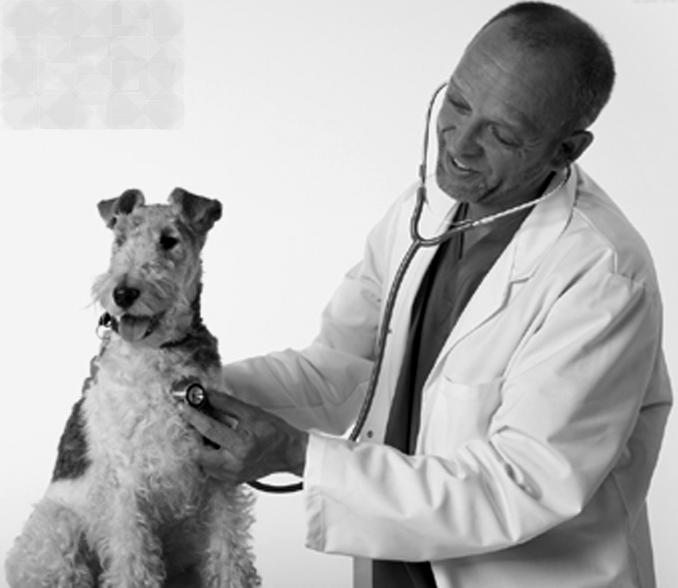
I suppose that having been brought up in the countryside and close to animals,it wasn't remarkable
(不平常的)when I decided to become a vet(兽医). Luckily I was also good at all the necessary science
subjects. So after the college entrance examination I found myself at a veterinary college,training to look
after animals in all kinds of situations. I hoped that I would be able to work in the research field so that I
could find cures for animal diseases.
Much to my surprise,I found public health care was a very important aspect of my course. This is an
area of animal medicine where a vet's work has many things in common with the work of a doctor of
human diseases. I particularly liked it because I recognized that the study of animal diseases can help
human medicine. As we know,many infectious diseases come from animals-including SARS and bird flu.
Some of the infections have only been understood after carefully analytical work in labs by animal doctors. They helped identify the animal source for diseases such as SARS. They were also the first to identify
various kinds of viruses. Sometimes vets are also able to suggest a cure for human illnesses. When I found this out I was determined to make public health medicine my chosen career.
After graduation,I applied for a job in public health. Soon I found myself concerned with the problem
of bird flu. This is an illness that attacks birds,but humans can catch the disease if they are in close
contact with infected birds. Though the job is dangerous,it makes me proud that vets and other animal
disease researchers are in the front line helping to fight these unknown human diseases.
1. The writer wanted to become a vet mainly because______.
A. he did well in all necessary subjects
B. he wanted to help animals
C. he was close to animals in his early life
D. he wanted to find cures for human diseases
2. What made the writer particularly like the course of public health care was that________.
A. it was both important and interesting
B. it could help him connect many human diseases with animals
C. it made a vet's work very much like a doctor's
D. it could help human medicine by studying animal diseases
3. What can be followed if this passage continues?
A. The writer's happy family life.
B. How the writer did research work in studying bird flu.
C. How the writer dealt with the relationship with other workmates.
D. What difficulty the writer met in the research work.
4. Which of the following is implied in the passage?
A. Animals with infectious diseases should be killed.
B. Keeping animals is dangerous to humans.
C. Dangerous as a vet's job is,it is significant to the human race.
D. Animal researchers work in the same way as human doctors.
5. Which of the following statements is NOT true?
A. Being a vet is helpful to both animals and humans.
B. Vets can cure both animals and humans.
C. Vets helped identify animal resources for SARS.
D. Both SARS and bird flu are infectious diseases coming from animals. 题型:未知难度:其他题型
答案
1-5:CDBCB解析
该题暂无解析
考点
据考高分专家说,试题“阅读理解 I suppose .....”主要考查你对 [健康环保类阅读 ]考点的理解。健康环保类阅读
健康环保累阅读概念:
健康环保类文章常是介绍科学知识、生活常识和环境保护方面的短文。体裁有记叙文、 说明文、议论文和各种应用文。
健康环保类文章阅读技巧:
健康环保类文章常是介绍科学知识、生活常识和环境保护方面的短文。阅读此类短文要以现象或事物为中心进行思考,理解现象产生的原因、条件和客观规律等。同时要抓住事物的特征、用途和相互关系等。科普环保类文章一般为说明文,从结构上看大致可分为三个部分:
第一部分一般是文章的首段,主要用来提出文章的主题,即文章想要阐述、说明的主要内容;
第二部分是文章的主体,可由若干个段落组成,对文章的主题进行展开说明;
第三部分是结尾段,对文章的主题进行归纳总结。这类文章多用一般现在时,而且一般多使用客观性词语表述。有时为了强调客观性,也常使用被动语态。
从近几年的考试题来看,科普环保类的文章越来越与人们的实际生活相接近。由于此类文章缺乏故事情节,很多同学对此类文章感到费解。但一般的科普类文章都是就事论事,需要逻辑推理和想象的时候较少,因此此类阅读题也没有同学们想象中的那么难,只要多加训练,就能较好地答题。
【阅读策略】
1、概要(Summarizing):
阅完材料后,将所阅材料浓缩,摘要,做出所阅材料的书面或口头梗概。
2、组织(Organization):
阅读后根据阅读内容,识别观点、人物、事件之间的关系以及文章的结构关系。如:时间关系、比较或对比关系、相关关系及因果关系等。



