


题文
阅读理解。
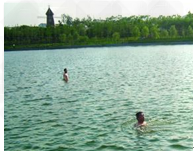
Learning to Swim
I enjoy swimming a lot and every afternoon I go to the swimming pool to swim for one or two hours.
And I still remember the first time I learned how to swim.
The pool was very deep and __1__. On the way home, I said to my mother, "Learning to swim is very
hard and I'm scared of the water. I don't want to go anymore."
My mother answered, __2__, but if you're not afraid and work hard, you will soon learn it well.
And __3__, for if you get in an accident, you'll be able to survive (幸存)." At that time I didn't understand
all that my mom told me, but I knew I should listen to what she said.
Now five years has passed, and I am a good swimmer. And I'm not afraid of water anymore. My mom
said, "If you work hard, you can get anything."
(A) 根据短文内容,把下列的三个句子分别放回到文中空白处,使短文意思完整。
A. Learning a new skill is not always easy
B. knowing how to swim is very important
C.I was afraid to go into the water on the first day
(B)按要求完成下面的题。
4. I should listen to what she said.(改成简单句)
__________________________________________.
5. "If you work hard, you can get anything."(请将这句话翻译成汉语)
__________________________________________.
题型:未知 难度:其他题型
答案
1—3: CAB 4. I should listen to her/her words. 5. 如果你努力工作的话,你就能得到一切。
5小题答案不唯一
点击查看故事类阅读知识点讲解,巩固学习
解析
该题暂无解析
考点
据考高分专家说,试题“阅读理解。 Learnin.....”主要考查你对 [故事类阅读 ]考点的理解。
故事类阅读
故事类阅读:
文章一般描述的是某一件具体事情的发生发展或结局,有人物、时间、地点和事件。
命题往往从故事的情节、人物或事件的之间的关系、作者的态度及意图、故事前因和后果的推测等方面着手,考查学生对细节的辨认能力以及推理判断能力。
阅读这类材料时,同学们一定要根据主要情节掌握文章主旨大意,同时抓住每一个细节,设身处地根据文章内容揣摩作者的态度和意图,根据情节展开想象,即使是碰到深层理解题也可迎刃而解。
故事类阅读注意:
初中生接触到的阅读材料大都是故事类。
阅读故事类的材料,应该抓住人物线索、地点线索、时间线索和情节发展线索。
特别注意的是,以上线索往往是并存的。因为情节的发展总是涉及到人物的变化、时间的推移、场景的变换等。
而阅读材料后的阅读理解往往会围绕这些内容设计一些事实类的理解题。
凡事实类的理解题都可以从阅读材料的表层文字中找到答案。
在阅读故事类短文时,应理解文章的深层含义,也就是它的主题。在此需要注意的是,现在的阅读理解题在测试事实类的理解题的同时,往往有一道推理类理解测试题.



